
Inaccessibility as communication: why you can't just 'buy' Hermés
An introduction to how rejection from Hermes stemmed from modern media and social communication.

Everyone knows about the Birkin bag, a symbol of taste and class in the world of fashion. Yet, Hermés boutiques never seem to have any of the prized bags in stock. This is the business decision that has turned Hermés into the $250B empire we know today.
Don’t get me wrong, Victoria Beckham or Ashley Olsen could walk into their local Hermés and be ‘offered’ countless options of leathers, colours and designs of the coveted ‘Quota bags’ (The Birkin, Kelly and occasionally Constance). Though, someone like me or you, even with the same credit card, would not be met with an comparable reception. This is what the desperately wealthy women of ‘purseblog.com’ and ‘reddit’ have come to call ‘The Hermes Game’.
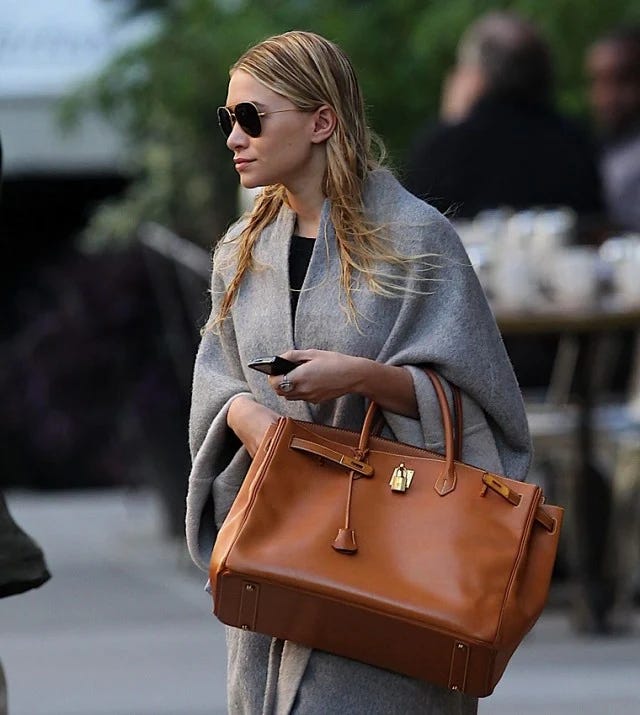
Hermés was founded by Thierry Hermes, with an intention of high quality craftsmanship. Established as a harness and bridle workshop, the brand has evolved through generations of the family in silks, small leather goods and ready to wear. Now finding a contemporary balance in all of its métiers (crafts). Its expertise across the luxury industry has lead to a strong community and cult like generational following. It is often thought that this is what excuses Hermés stand-offish approach today, its tradition of creating the highest quality products available on the market.
In the late 90s/ early 2000s, something changed for Hermés, it became culturally visible. The brands exclusivity always came from its low advertising approach and relying on equestrian/generational clients. A brand reserved for only those of the highest socio-economic backgrounds, a catalyst for communicating your values and what kind of family you came from. Though, appearances in ‘Gilmore Girls’ and ‘Sex And The City’ had suddenly opened up the world of Hermés to anyone with a TV. For many brands this would be the moment they had been waiting for, but for Hermés, it had been the moment they had feared.
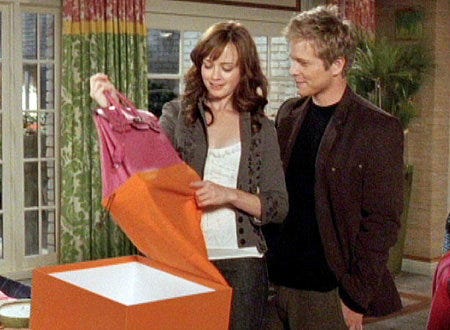
Suddenly, the fashion house that allowed the elite to communicate with just their eyes had their secret code revealed to the world. Everyone knew about the Birkin Bag, and everyone who had the money wanted one. To save the brand, in the late 2010s Hermés introduced what we now know as ‘The Game’. Not formally stated anywhere or admitted by sales associates, customers have come together to decipher a vague criteria of needing to spend a 2:1 ratio ( 2 times the amount of a bag) in other departments before being offered a Quota bag. This way, Hermés can stay relevant as a wealth indicator and preserve its exclusivity with high brow clients, enforcing a love for the brand in its entirety before you can even be offered a bag. This adaptation had let Hermés become culturally visible without becoming commercially accessible - There was a shift inside the boutiques, you didn’t buy a bag, you were offered to buy one. Hermés gave you their stamp of approval to be an ambassador, as if they are telling you you are seen as a worthy member of society, a message communicated completely through controlled access to a $10k handbag.
Now Hermés has a new client it never anticipated, those who play the game for the game. In a world where money can buy you anything, walking into a dim lit boutique and being told you cannot have a bag, that you can clearly see in the display case behind the poised sales associate introduces friction to a world that revolves around convenience and easy access. Suddenly, you’ve realised,
friction has become the product.
It’s the most powerful form of communication in today’s market that only Hermés has mastered through its game of silence and restriction in a digitally led world that communicates through instant access.
Thanks for reading,
Harrison McK